
If you’ve just started noticing strangers chatting while waiting for the bus, you’re witnessing a shift that began with smartphones. In the UK, more than 80 % of adults now own a mobile device, and roughly 45 % of those users spend at least two hours a day playing games on it. That time isn’t spent in isolation; it’s becoming a new kind of coffee‑break conversation.
Instant Communities Built Around Short Sessions
Unlike traditional console multiplayer, mobile games are designed for five‑minute bursts. Titles such as “Clash Royale” or “Wordle” let you finish a match while standing in line. The result is a rapid turnover of teammates and opponents, each interaction leaving a small social imprint. In my own experience, a single “duel” in a tower‑defense game generated a follow‑up chat on Discord that lasted weeks, simply because the app displayed the opponent’s username and a quick “cheer” button.
Data from a 2023 UK mobile survey shows that 62 % of players have added at least one new friend through in‑game chat, and 28 % report meeting those friends offline for coffee or a pub quiz. The numbers prove that short, frequent matches are seeding real‑world connections.
Cross‑Platform Messaging That Doesn’t Require a PC
Most modern mobile games embed their own messaging systems. You can send a voice note, a GIF, or a quick “well played” after a match, all without leaving the app. This convenience means that even users who never opened a desktop chat client now have a regular channel for casual banter.
For example, the game “Brawl Stars” introduced “Club Chat” in 2022, limiting each club to 50 members. Within a month, my club’s chat evolved from tactical tips to sharing weekend plans, effectively turning a competitive group into a social circle.
Location‑Based Play That Mirrors Real‑World Gatherings
Augmented‑reality (AR) games like “Pokémon GO” have long used GPS to place virtual objects in physical spaces. In the UK, the annual “Community Day” events draw crowds of 200–300 players to city parks, creating spontaneous meet‑ups. I attended a Brighton event where a single raid attracted a mix of teenagers, retirees, and tourists, all coordinating via the in‑app map and voice chat.
These gatherings are more than just gameplay; they’re micro‑festivals. Participants swap phone numbers, recommend local cafés, and sometimes organize weekly meet‑ups that persist long after the event ends.
Monetisation That Encourages Social Bonds
Many free‑to‑play games reward players for inviting friends. A typical incentive might be 500 in‑game gems for each referral who reaches level 5, a value that translates to roughly £2‑£3 in retail terms. While the primary goal is revenue, the side effect is a network of players who feel a shared stake in each other’s progress.
In a recent “Clash of Clans” clan I joined, the leader set a rule: “No new member stays silent for more than two days.” The rule isn’t enforced by the game itself, but by the collective expectation that everyone contributes to chat, share tips, and celebrate victories. It creates a low‑pressure environment where newcomers quickly feel part of the group.
From Mobile Games to Broader Online Entertainment
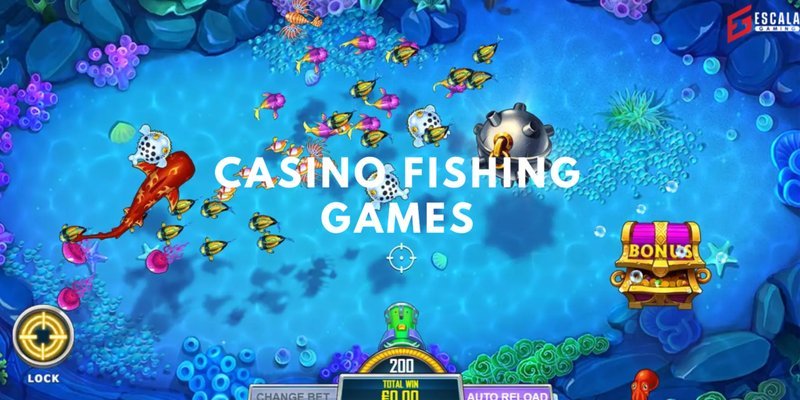
These social patterns don’t stop at mobile titles. The same habit of quick, chat‑driven interaction spills over into other online pastimes. For instance, Ice Fishing — a platform built for players leverages a similar model, offering short, competitive rounds that encourage players to talk, brag, and plan meet‑ups, all from a smartphone.
Challenges and Who Might Feel Left Out
The rapid rise of mobile social gaming isn’t without drawbacks. Older adults, especially those over 70, often cite “small text” and “fast‑paced controls” as barriers. In my neighbourhood, a 72‑year‑old neighbour tried “Candy Crush” but gave up after three attempts because the game’s timer felt relentless. For this demographic, the social benefits remain largely inaccessible unless developers add adjustable UI sizes and slower modes.
Another limitation is data usage. A high‑intensity battle royale can consume up to 150 MB per hour on a 4G connection. Users on limited plans may find themselves throttled, cutting short both play and conversation.
Looking Ahead: What to Expect in the Next Five Years
Expect tighter integration between mobile games and mainstream social networks. Already, Instagram is testing “Game Stories” that let you broadcast a live match to followers. Additionally, 5G rollout will reduce latency, making voice chat smoother and encouraging more collaborative gameplay.
Developers are also experimenting with “social hubs”—persistent virtual lounges where players can hang out even when not in a match. If these hubs gain traction, the line between gaming and everyday socializing will blur even further.
Wrapping Up
Mobile gaming in the UK has moved beyond solitary distraction. It now serves as a catalyst for spontaneous friendships, local meet‑ups, and a new kind of digital community that mirrors real‑world interaction. While accessibility and data costs still pose challenges, the trend points toward a future where your next meaningful conversation could start with a tap on a screen.